When the demand for a good or service rapidly increases, its price typically increases because suppliers cannot cope with the increased demand. In economic terms, this results in a shift in the demand curve to the right. A sudden drop in demand causes the opposite to happen.
What are the effects of demand-pull inflation?
Effects of demand-pull inflation Like any type of inflation, this leads to effects such as the following: Reduces purchasing power of consumers. Encourages spending to avoid impact of further inflation. Increases the cost of borrowing.
Why is demand-pull inflation bad?
When demand surpasses supply, higher prices are the result. This is demand-pull inflation. A low unemployment rate is unquestionably good in general, but it can cause inflation because more people have more disposable income.
What is an example of a shock that could cause a recession?
A classic example of a shock is the oil shocks of the 1970s and 1980s. They help explain why those recessions featured high inflation despite unemployment being relatively high.
What happens to wages in a positive demand shock?
Positive Demand Shocks When the supply is kept constant and demand increases, we expect the quantity supplied and consumed and the price of the transactions to increase. The price of the transactions increases because, as consumers want to consume more (due to the demand shock), they are willing to pay more.
What are the pros and cons of inflation?
Pros and Cons of Inflation
- Deflation is potentially very damaging to the economy and can lead to lower consumer spending and lower growth.
- A moderate inflation rate reduces the real value of debt.
- Moderate rates of inflation allow prices to adjust and goods to attain their real price.
Can demand pull inflation be controlled?
Countering Demand Pull Inflation To counter demand pull inflation, governments, and central banks would have to implement a tight monetary and fiscal policy. Examples include increasing the interest rate or lowering government spending or raising taxes.
What happens when supply increases?
It’s a fundamental economic principle that when supply exceeds demand for a good or service, prices fall. If there is an increase in supply for goods and services while demand remains the same, prices tend to fall to a lower equilibrium price and a higher equilibrium quantity of goods and services.
Can the government do anything to combat recessions should it?
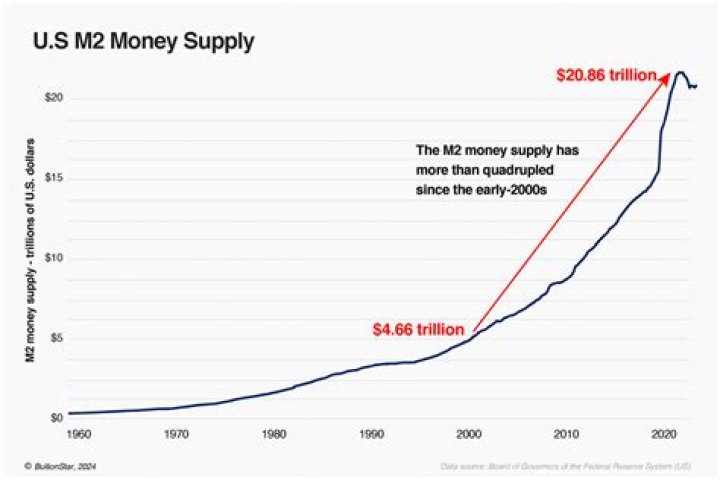
To counter a recession, it will use expansionary policy to increase the money supply and reduce interest rates. Fiscal policy uses the government’s power to spend and tax. When the country is in a recession, the government will increase spending, reduce taxes, or do both to expand the economy.
What is the downside of inflation?
Disadvantages of Inflation High inflation rates tend to cause uncertainty and confusion leading to less investment. Hyper-inflation can destroy an economy. If inflation gets out of hand, it can create a vicious cycle, where rising inflation, causes higher inflation expectations, which in turn pushes prices even higher.
What would cause inflation to rise and employment to increase?
Most inflation is caused by demand-pull inflation, when aggregate demand grows faster than aggregate supply. Consequently, businesses hire more labor to increase supply, thus, reducing the unemployment rate in the short run.